
Your first crypto exchange decides more than you’d think. Pick the wrong one, and you’ll spend your first week confused by a trading dashboard built for professional day traders, wondering why your $50 deposit lost $8 to fees you never saw coming, or stuck waiting on a support ticket after your withdrawal gets flagged.
That’s the real problem with most “best crypto exchange” lists they rank platforms on trading volume, leverage limits, and altcoin count, which is exactly what a beginner doesn’t need yet. What actually matters in your first few months is simple: can you sign up without friction, do you understand what you’re being charged, can you get help when something goes wrong, and is your money reasonably safe while you learn?
This list ranks five exchanges specifically for that first 90-day experience – not for the power users they eventually cater to as well.
How we picked these: Rankings here are based on account setup and interface review, published fee schedules, security track record, and available educational resources – cross-checked against our full individual reviews of each platform. Where we reference hands-on account use, it reflects our own testing; fee and feature details are verified against each exchange’s current published terms, which can change, so always confirm current numbers before depositing.
Quick Answer
- Best overall for beginners: Coinbase
- Best for learning resources & staking: Uphold
- Best for low fees with room to grow: KuCoin
- Best for guided/copy trading: Bitget
- Best for asset selection: MEXC
Comparison Table of Best Crypto Exchanges for Beginner
| Exchange | Best For | KYC to Start | Beginner Fee Style | Notable Beginner Feature |
| Coinbase | Overall simplicity | Required for full access | Higher, but transparent | Clean buy/sell interface, audited public company |
| Uphold | Learning + staking | Minimal for small trades | Spread-based, no separate trading fee | Built-in “Cryptionary” glossary |
| KuCoin | Low fees | Basic tier without full KYC | ~0.1% spot | Huge asset variety without overwhelming layout |
| Bitget | Copy trading | Required for full features | Competitive, tiered | One-click copy of experienced traders |
| MEXC | Asset selection | Basic trading without full KYC | ~0.05% spot | AI-assisted bot setup for hands-off beginners |
1. Coinbase – Best Overall for Beginners
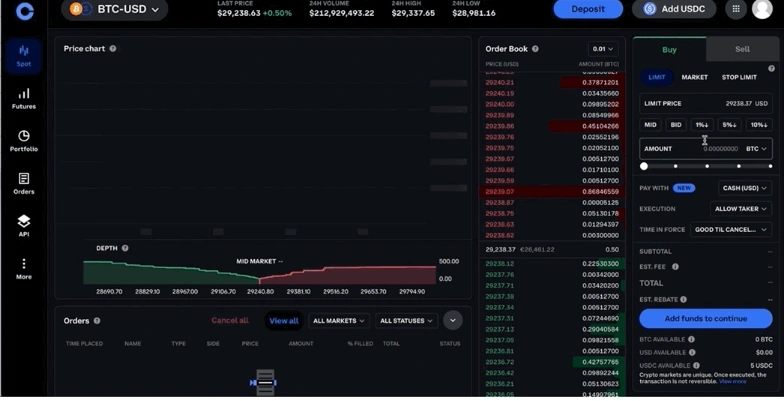
Coinbase remains the default recommendation for a first crypto purchase, and for good reason. As a publicly traded, audited company, it carries a level of institutional accountability most crypto exchanges don’t have – that matters to a beginner who’s nervous about where their money is actually going.
The interface puts “Buy” and “Sell” front and center, showing your fee before you confirm a trade rather than burying it in a settlement screen. Verification (KYC) is required for meaningful use, which adds friction upfront but is part of why it’s considered lower-risk for new users.
Where it falls short: Coinbase’s standard fees run noticeably higher than KuCoin or MEXC – you’re paying a premium for simplicity and trust. Coinbase Advanced Trade offers lower fees with a slightly steeper interface once you’re ready for it.
→ Read our full Coinbase Review for Beginners
2. Uphold – Best for Learning & Staking
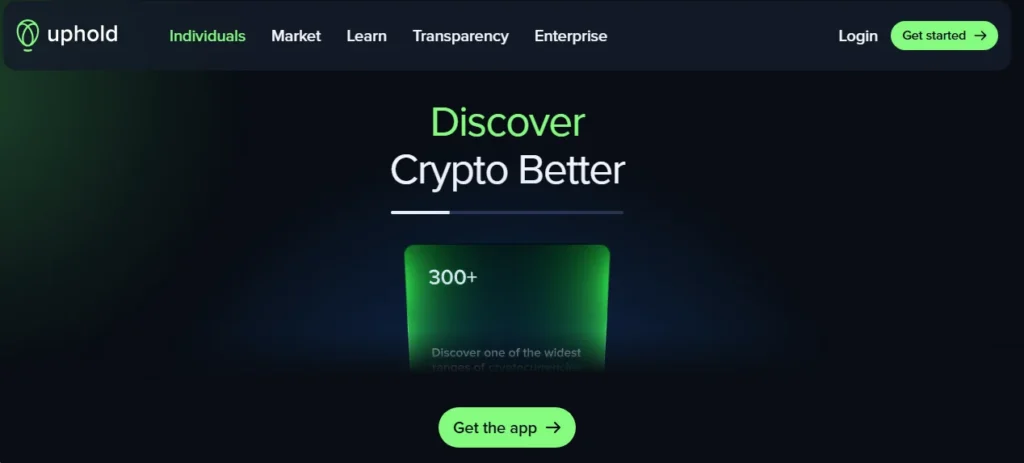
Uphold’s biggest advantage for a total beginner is its built-in education layer — the “Cryptionary” glossary sits right in the interface, so unfamiliar terms don’t send you off to Google mid-trade. Its pricing model folds costs into the spread rather than a separate visible trading fee, which some beginners find simpler to reason about (though it also makes true cost comparison less transparent – read the spread carefully).
Uphold also supports staking directly from the same account you trade in, letting beginners start earning on holdings without moving funds to a separate platform.
Where it falls short: Spread-based pricing can end up costing more than a transparent flat percentage fee, especially on less liquid assets. Compare actual received amounts on a test trade before committing larger sums.
→ Read our full Is Uphold Safe in 2026? andUphold Review for Low Budget Users
3. KuCoin – Best for Low Fees With Room to Grow
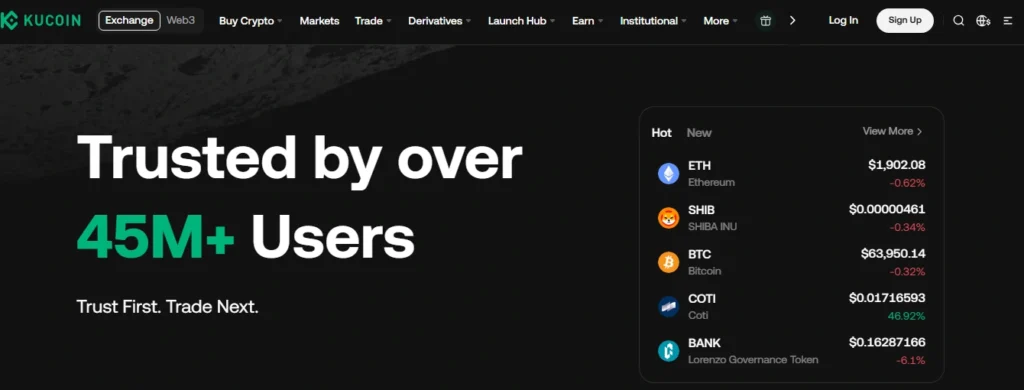
KuCoin strikes a genuinely useful balance for beginners who don’t want to feel boxed in later: fees sit meaningfully lower than Coinbase, the coin selection is enormous, and — importantly – the core buy/sell flow is simpler than the platform’s full toolset suggests at first glance.
Basic trading access doesn’t require the same immediate full identity verification as some competitors, which lowers the barrier for a first small trade, though higher withdrawal limits and full features still require verification.
Where it falls short: The sheer number of features (trading bots, futures, lending, NFT marketplace) visible in the main navigation can overwhelm someone who just wants to buy Bitcoin. Stick to the basic spot trading tab until you’re ready to explore further.
→ Read our full KuCoin Trading Bot Review
4. Bitget – Best for Guided/Copy Trading
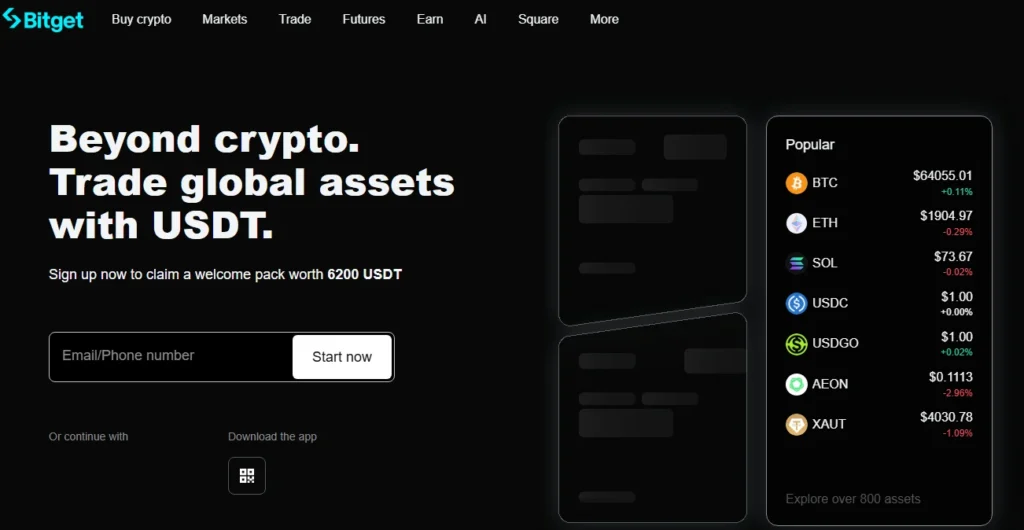
Bitget is included here for one specific reason, not as an all-around beginner pick: its copy trading feature is one of the strongest in the industry, and it’s a genuinely useful way for a new trader to watch real strategy execution before building their own. You can browse a leaderboard of traders, review their track record, and mirror their trades with a portion of your capital.
Where it falls short: Bitget as a whole is built more for active traders than first-time users – the interface leans toward spot, futures, copy trading, and bots all at once, which can feel cluttered if you just want to make a simple purchase. Copy trading also isn’t a substitute for understanding risk yourself: a copied trader’s past results don’t guarantee future performance, and beginners sometimes allocate too much capital here too early. If you’re drawn to Bitget specifically for copy trading, treat it as a small, capped learning allocation -and consider Coinbase or Uphold for your actual first purchase.
→ Read our full Bitget Review 2026
5. MEXC – Best for Widest Asset Selection
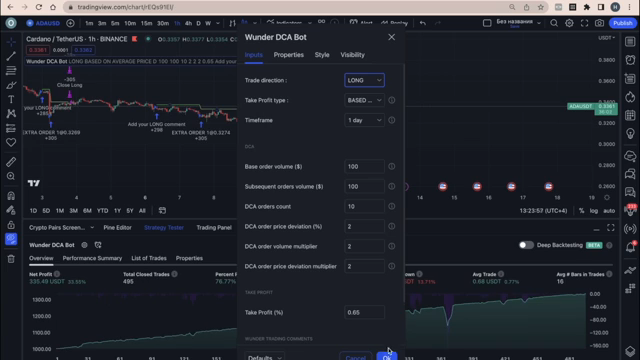
MEXC lists an unusually large number of cryptocurrencies, which appeals to beginners curious about smaller or newer projects beyond Bitcoin and Ethereum. Its AI-assisted trading bot setup (covered in depth in our full MEXC trading bot review) also lets a first-time user launch a basic automated strategy without manually calculating parameters – useful for beginners who want to “start simple” with something more structured than a manual trade.
Spot trading fees are among the lowest of any exchange on this list, and basic trading is accessible without completing full identity verification, though higher limits and full features require it.
Where it falls short: The sheer number of listed assets includes many low-liquidity, higher-risk tokens – a beginner should stick to well-established coins (BTC, ETH, major large-caps) rather than chasing unfamiliar small-cap listings.
→ Read our full MEXC Trading Bot Review
How to Choose Between Them
- Want the simplest, most reassuring first experience? Start with Coinbase, even at a higher fee – the trust premium is worth it while you’re learning.
- Want to learn terminology as you go, or start staking immediately? Uphold.
- Comfortable with a slightly bigger interface in exchange for lower fees? KuCoin.
- Want to learn by watching experienced traders before doing it yourself? Bitget.
- Want the widest selection of coins and an easy on-ramp to automation later? MEXC.
None of these are mutually exclusive – many traders start on Coinbase for their first purchase, then move funds to a lower-fee platform like KuCoin or MEXC once they’re comfortable with the basics.
Common Mistakes Beginners Make
- Depositing more than you’re willing to lose in month one. Start with an amount you could lose without financial stress – this isn’t pessimism; it’s how you learn to trade without fear driving your decisions.
- Skipping two-factor authentication (2FA). This takes two minutes and is the single biggest security improvement available to a new account.
- Not checking withdrawal fees before depositing. Some networks charge significantly more to withdraw than others – check before you buy, not after.
- Reacting emotionally to normal price swings. Crypto moves 5-10% in a day routinely. That’s not a sign something’s wrong; panic-selling on ordinary volatility is one of the most common ways beginners lock in avoidable losses.
- Chasing small-cap coins for quick gains. Wide asset selection is a feature, not an instruction – stick to established coins until you understand liquidity and volatility better.
Frequently Asked Questions
Which crypto exchange is easiest for beginners? Coinbase is generally considered the easiest starting point due to its simple buy/sell interface and public-company accountability, though it charges higher fees than more advanced platforms like KuCoin or MEXC.
Do beginners need to complete KYC to start trading? It depends on the exchange and the size/type of transaction. Most platforms allow small-scale trading with minimal verification, but meaningful deposit, withdrawal, and trading limits almost always require identity verification (KYC) eventually.
What’s the safest way to buy your first crypto? Start on a well-established, regulated platform, enable two-factor authentication immediately, deposit a small test amount first, and avoid holding large sums on any exchange long-term — moving to a personal wallet is safer once you’re past the learning stage.
Are beginner-friendly exchanges more expensive? Often yes. Simplicity and trust (Coinbase, Uphold) tend to come with higher fees than exchanges built for active traders (KuCoin, MEXC). The trade-off is usually worth it for your first few weeks, even if you migrate to lower fees later.
Can I use more than one exchange as a beginner? Yes, and many traders do — using one exchange (like Coinbase) for straightforward fiat purchases and another (like KuCoin or MEXC) for lower fees or wider asset access once they’re comfortable.
This article is for informational purposes only and does not constitute financial or investment advice. Cryptocurrency trading involves significant risk, including the potential loss of principal. Always conduct your own research before making any investment decisions
.
